
Concrete Blog
How to Maintain Stamped Concrete: Sealing, Cleaning, and Repair Tips
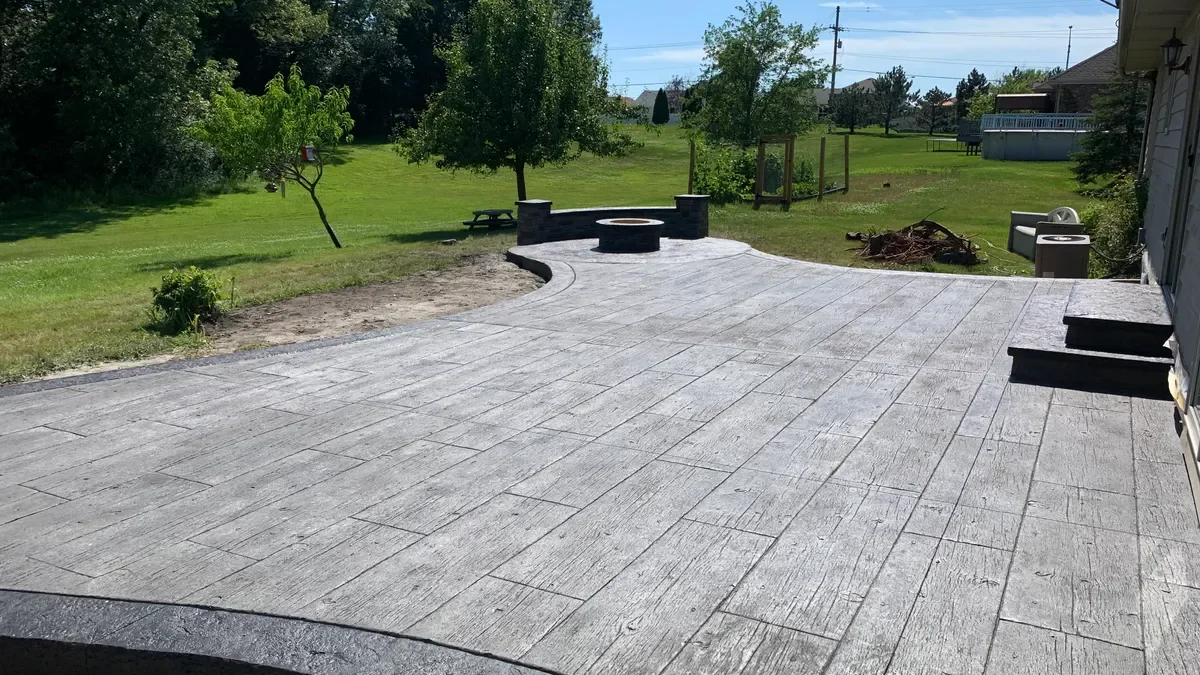
Maintaining stamped concrete requires resealing every two to three years, routine cleaning with a garden hose or pressure washer, and prompt attention to cracks before they spread. Hoosier Concrete Construction has been maintaining stamped surfaces across Northwest Indiana since 1998. We’ve seen how freeze-thaw cycles and winter deicing salts accelerate surface wear in our climate. The difference between a 25-year stamped patio and one that starts breaking down within five years usually comes down to how consistently it gets resealed.
Late spring is the ideal window for resealing here. The ground has thawed, temperatures sit consistently above 50 degrees, and you still have a full season of UV protection ahead before the next freeze cycle begins. Waiting until fall risks curing issues from overnight temperatures that can drop dramatically.
This guide walks through the sealing schedule that works in NW Indiana, the cleaning routines that actually protect the surface, and the repairs that need a professional rather than a DIY patch.
Sealing Your Stamped Concrete
Sealer protects the color, pattern detail, and structural surface of stamped concrete from UV fading, moisture penetration, and salt damage. Without it, the color hardener layer begins breaking down within one to two years in NW Indiana's climate.
When and How to Reseal
Reseal every two to three years. Test readiness by sprinkling water on the surface. If it absorbs instead of beading, the sealer has worn through. Apply two thin coats with a roller or sprayer rather than one heavy coat. One thick application traps moisture underneath and causes white hazing, especially during humid summers across Crown Point, Valparaiso, and NW Indiana.
Sealer Types
Acrylic sealers are the most common choice for residential stamped concrete. They enhance color, provide UV protection, and cost less than polyurethane or epoxy alternatives. Solvent-based acrylics produce a higher gloss and slightly better penetration than water-based formulas, but both work well when applied correctly.
Cleaning and Stain Removal
Routine cleaning prevents dirt, pollen, and organic matter from building up in the decorative concrete pattern's texture lines and dulling the surface’s appearance.
-
Weekly: Sweep or blow off loose debris, leaves, and dirt.
-
Monthly: Rinse with a garden hose. For stubborn spots, use a pH-neutral concrete cleaner and a stiff-bristle brush.
-
Seasonally: Pressure wash at 1,500 to 2,000 PSI with a fan-tip nozzle held 8 to 12 inches from the surface. Higher pressure or turbo tips can strip sealer and damage the stamp pattern.
For oil or grease stains, apply an absorbent like cat litter immediately, then clean with a concrete degreaser. Avoid muriatic acid or harsh chemicals that can eat through the sealer and discolor the surface.
When to Call Hoosier Concrete for Repairs
Hairline cracks less than an eighth of an inch wide are normal in concrete and can be filled with a color-matched caulk or patching compound. Wider cracks, surface spalling, or settlement indicate deeper issues that require professional evaluation.
If you notice areas where the stamp pattern has worn flat, the color has faded unevenly, or the sealer is peeling in sheets rather than wearing gradually, these are signs that the original installation may have had issues. Common stamped concrete problems like delamination and efflorescence typically need a contractor with decorative concrete experience to diagnose and repair correctly.
Frequently Asked Questions
How often should stamped concrete be sealed in Indiana?
Reseal stamped concrete every two to three years in Northwest Indiana. The combination of freeze-thaw cycles, UV exposure, and winter salt application breaks down sealer faster than in milder climates. High-traffic areas like driveways may need resealing closer to every two years.
Can you pressure wash stamped concrete?
Yes, but keep the pressure at 1,500 to 2,000 PSI with a fan-tip nozzle. Higher pressure strips the sealer and can damage the stamped pattern. Hoosier Concrete Construction recommends that NW Indiana homeowners pressure wash once or twice a year before resealing to remove embedded dirt and prepare the surface for a fresh sealer coat.
What should you never put on stamped concrete?
Avoid rock salt and calcium chloride deicers, which penetrate the sealer and cause surface spalling during freeze-thaw cycles. Use sand or a calcium magnesium acetate deicer instead. Also avoid muriatic acid, bleach, and ammonia-based cleaners that break down both the sealer and the color hardener layer underneath.
Protect Your Investment With Simple Habits
Stamped concrete maintenance in NW Indiana comes down to three habits: sweep regularly, clean seasonally, and reseal every two to three years. That schedule protects the color, pattern detail, and surface integrity that made the investment worthwhile in the first place. Skip it, and the problems that follow cost more to fix than the maintenance would have.
Contact Hoosier Concrete Construction at (219) 712-3508 if your stamped concrete needs professional resealing or repair.